

Learning Essentials
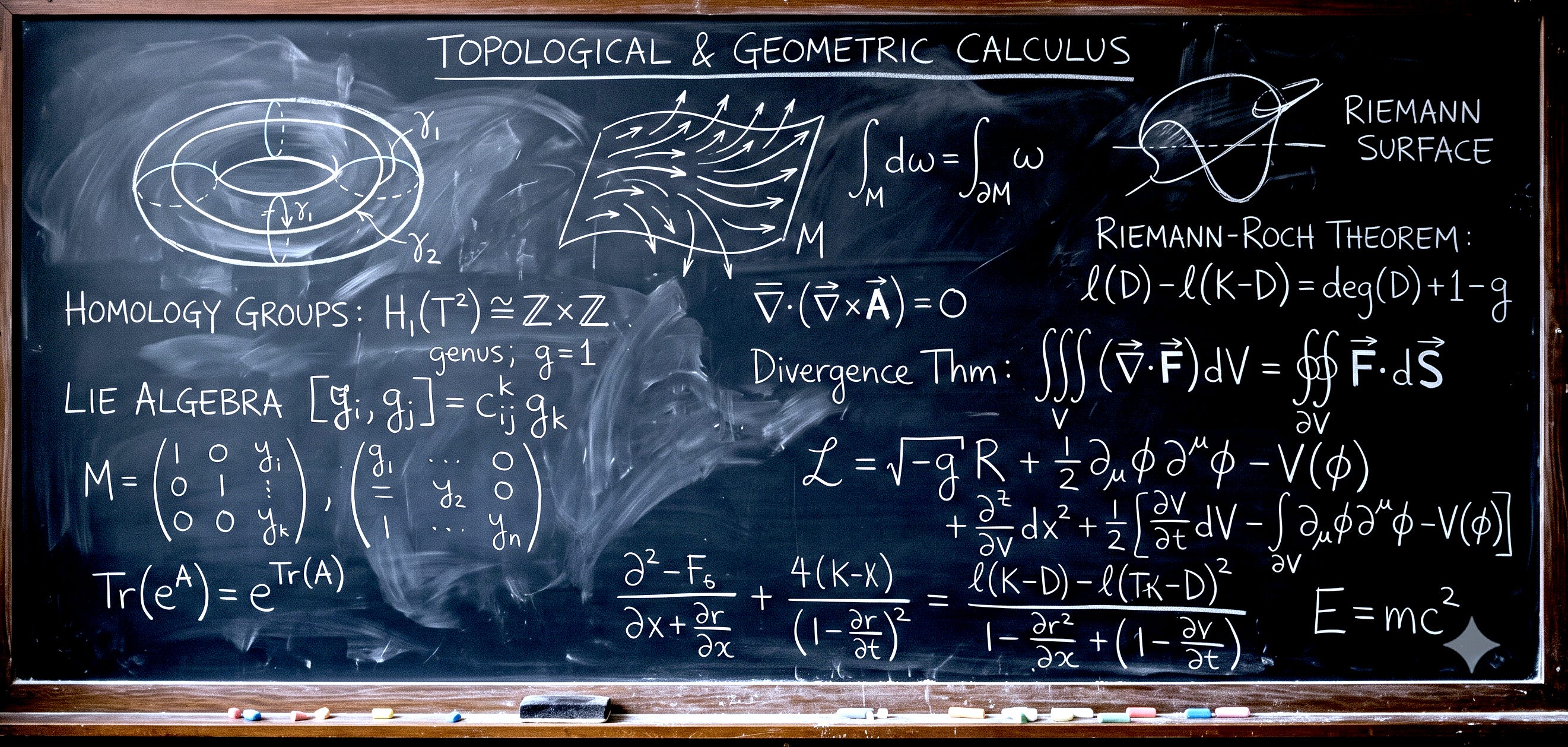
Traditional deep learning struggles with high-dimensional, spatial data. Geometric Deep Learning and World Models fix this by using latent mathematical structures—but the math (Topology, Group Theory, Differential Geometry) is notoriously brutal. This newsletter simplifies the theory through hands-on, practical articles.
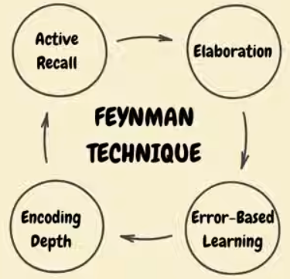
Feynman Learning Technique
Some complex concepts have a steep learning curve. Richard Feynman introduces a step-by-step to learn difficult subjects, originally applied to Quantum Physics.
Write the name of the topic or subject
Explain the concept in simple language (as you will describe to someone)
Identify the areas you are struggling
Pinpoint any complicated terms and simplify them
Start with Why, then How and finally What
Reading to answer a question, engaging with the material and fill a gap, not to collect information
Science-backed Learning Tips
So here are 9 science-backed tips to transform the way you learn:
1. Plan your study sessions
Break tasks into smaller, focused chunks with clear goals.
Dedicated, distraction-free time beats cramming every time.
2. Active recall
Quiz yourself before you learn to identify gaps and spark curiosity.
Then, test yourself after studying to strengthen memory and understanding.
3. Spaced repetition
Review material at intervals over days or weeks.
This “forget-to-learn” approach helps information stick long-term.
4. Eliminate passive learning
Highlighting and rereading feel productive, but don’t work.
Instead, summarize key points in your own words or test yourself.
5. Prioritize deep work
Focus on one high-impact learning task at a time.
Use tools like the Pomodoro technique to stay in flow.
6. Create visual aids
Turn concepts into diagrams, mind maps, or charts.
Visualizing information helps you understand and remember it more effectively.
7. Teach what you learn
Explaining a concept to someone else highlights gaps in your understanding.
Use the Feynman Technique to simplify complex topics.
8. Use tools to track your progress
Create a system to measure your learning, like a checklist or habit tracker.
Seeing progress motivates you and ensures you stay consistent.
9. Sleep, healthy diet, and exercise matter
Sleep, a healthy diet (cut sugar), and exercise boost focus and cognitive function.
Make them part of your daily learning routine (have apples, bananas, and nuts on your desk instead of chocolate and chips).
Free Newsletter Posts
Introductory articles on Geometric Deep Learning in this newsletter:
Recommendation for Beginners
Geometric Deep Learning
World Models
Recommended Tutorials